
Why Correct Media Type, Shape, and Size Are Essential in Vibratory Finishing
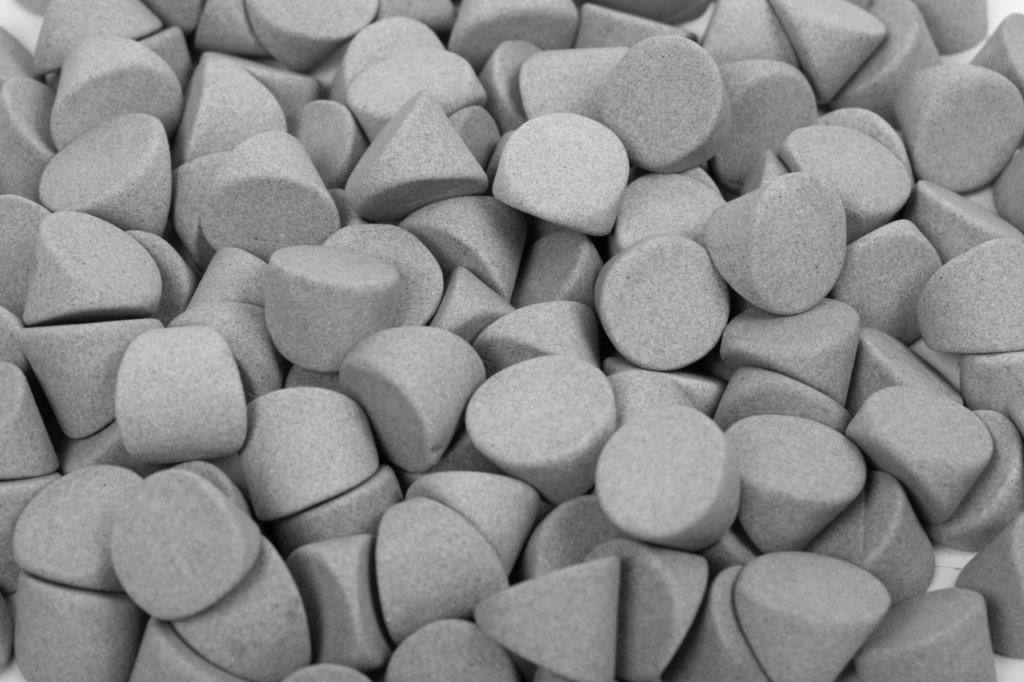
In the world of vibratory finishing, success depends on more than just the machine — it depends on selecting the correct media type, shape, and size for the application. At Sharmic, we work with customers across industries to optimise their finishing processes, ensuring that every component achieves the desired result efficiently, safely, and without unnecessary delays.
Market Outlook: The Future of Vibratory Surface Finishing

We remain steadfast in our commitment to maintaining an informed and forward-looking perspective on the trends, innovations, and transformative shifts shaping the vibratory surface finishing sector.
UK Vibratory Surface Finishing Specialists

Sharmic supplies a comprehensive line-up of mass finishing machines, consumables and equipment tailored to diverse components and applications. Each machine type offers a specific finishing benefit.
New to Vibratory Finishing?

Vibratory finishing is a widely used process in the manufacturing industry, providing an efficient and cost-effective way to improve the surface of various components. Whether you are involved in metalworking, automotive, aerospace, or even jewellery production, vibratory finishing could significantly enhance your product quality.
How Vibratory Finishing Machines Can Save Your Company Money

In today’s highly competitive business environment, companies must find ways to increase productivity and reduce costs without sacrificing quality. Vibratory finishing is a proven solution for businesses looking to save money in their manufacturing processes.
Maximising the Longevity of Your Vibratory Finishing Equipment

The Importance of Regular Maintenance Vibratory finishing machines are built to withstand continuous use, but to keep them running smoothly, regular maintenance is necessary. Neglecting maintenance can lead to unnecessary downtime, higher repair costs, and even premature failure of parts.
Why Use Centrifugal Finishing Machines?

If you’re looking to speed up your finishing process without compromising on quality, centrifugal finishing machines are well worth considering. They use fast, powerful spinning motion to achieve a high-quality finish in far less time than other methods.
How Vibratory Trough Machines Can Benefit Your Business

Vibratory trough machines are an excellent solution for businesses seeking to process large, heavy components that require mass finishing. These machines are ideal for bulk finishing and are capable of handling bigger components than vibratory bowl machines.
What do powder compounds do?

We offer a tailored range of powder type surface finishing compounds designed for grinding, lapping, polishing, deburring, and more. Each product is developed to address the unique needs of both ferrous and non-ferrous metals, ensuring optimal results in vibratory finishing, hand finishing, or precision operations.
What do liquid compounds do?

Our liquid compounds are carefully formulated to address a wide variety of cleaning, polishing, degreasing, and protective needs across a broad spectrum of materials and applications. Whether you’re working with steel, aluminium, brass, or more delicate alloys, our expertly developed liquids deliver consistent and high-quality results.