
How Does Vibratory Finishing Work? Step-by-Step
mechanical action.
- Loading the Machine — Place workpieces (components) into a vibratory bowl or tub. Add finishing media (abrasive media or polishing media). Add water and a liquid compound (soap-like solution) for lubrication, cleaning, and corrosion protection.
- Generating Vibration — An electric motor with eccentric weights (counterweights) vibrates the chamber at 1,000–3,600 vibrations per minute (VPM). Amplitude usually ranges from 1–5 mm. This creates a “corkscrew” or toroidal flow pattern where the entire load (parts + media) rolls, lifts, and tumbles continuously.
- Abrasive Action — Media constantly rubs against the components. The vibration causes thousands of small “filing” contacts per minute. Harder or more abrasive media cuts aggressively for deburring; softer media polishes gently.
- Process Completion — Cycle times vary from 20–30 minutes for light deburring to several hours for heavy material removal or high-polish finishes. The compound keeps media clean, suspends debris, and prevents rust.
- Unloading and Separation — Many machines feature automatic separation (e.g., screens or magnetic systems) to remove parts from media. Parts are rinsed and dried.
The result? Uniform finishing on all surfaces, including recesses and complex geometries, that hand methods struggle to reach.
Types of Vibratory Finishing Machines
- Round Bowl Machines — Most popular for general use. Doughnut-shaped chamber creates excellent circulation. Ideal for smaller to medium parts with easy unloading. Many include internal separation.
- Tub/Trough (Rectangular) Machines — Better for long, large, or delicate parts. Straight walls suit bigger components or fixtured parts.
- Continuous/All-in-One Systems — For high-volume production lines where parts flow in one end and out the other.
- High-Energy or Spiral Bowls — Faster cycles with enhanced motion.
Machines range from small tabletop models for hobbyists/jewellery to large industrial units processing cubic feet of components.
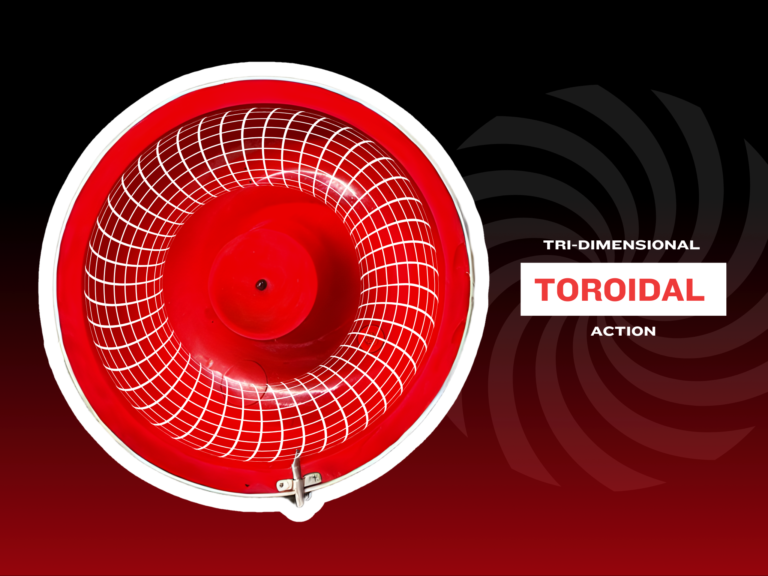
Tri-Dimensional Toroidal Action
Vibratory Finishing Media: The Heart of the Process
Media selection determines the aggressiveness and final finish. Common types include:
- Ceramic Media — Dense, durable, and most common. Excellent for aggressive deburring on steel and hard metals. Comes in various shapes (cylinders, triangles, tri-stars) and cut levels.
- Plastic Media — Lighter and gentler. Perfect for soft metals like aluminium, brass, or zinc die-castings. Ideal for pre-plate finishes without damaging surfaces.
- Steel Media — For burnishing and high-lustre polishing. Provides bright, reflective finishes and is very long-lasting.
- Organic/Natural Media (walnut shells, corn cob) — Used for drying, light polishing, or delicate parts like jewellery.
Tip: Shapes matter — pyramids or tri-stars reach into crevices; balls or cones deliver smoother action.
Compounds are critical. They lubricate, clean, inhibit corrosion, and control pH. Wet processes (most common) use water + compound; dry processes suit specific applications.
Benefits of Vibratory Finishing
- Consistency — Uniform results across every part of the component.
- Efficiency — Processes large batches quickly and cheaply compared to manual methods.
- Versatility — Handles complex shapes and delicate parts.
- Cost-Effective — Reduces labour and improves part quality/safety.
- Better Than Barrel Tumbling — Often faster deburring, superior circulation for recesses, gentler on parts, and easier automation. Barrel tumbling is more aggressive but can cause more part-on-part damage and longer cycles for fine finishes.
Common Applications
From deburring CNC-machined aerospace components to polishing automotive fasteners, vibratory finishing is everywhere. It’s also popular in rock tumbling (hobbyist version) and medical implant surface preparation.
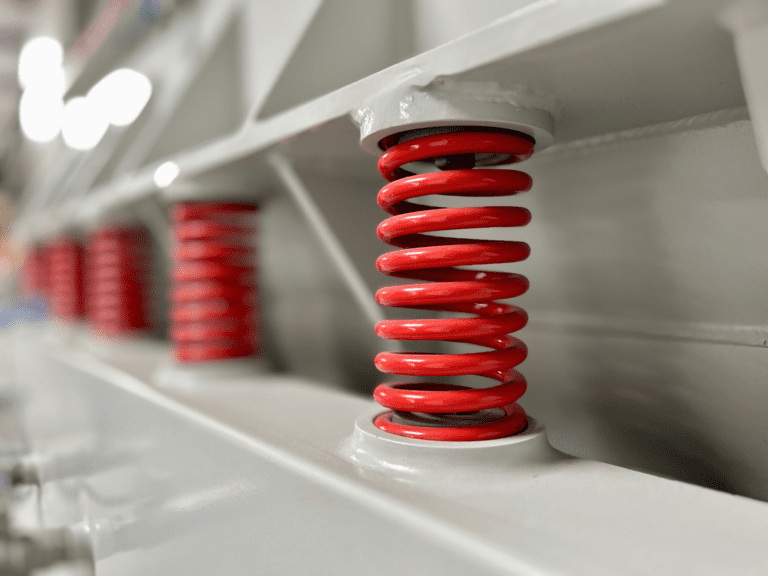
Vibratory Springs
Frequently Asked Questions About Vibratory Finishing
How long does vibratory finishing take? Cycles range from 30 minutes to 8+ hours depending on part material, burr size, media, and desired finish.
Can it damage delicate parts? Yes, if wrong media or settings are used — but with proper plastic media and lower amplitudes, it’s very gentle.
Wet or dry process? Wet is standard for most deburring/polishing; dry is used for certain polishing or when water is undesirable.
What’s the difference between vibratory finishing and tumbling? Vibratory uses vibration for better flow and speed; barrel tumbling uses rotation for a cascading action (often more aggressive).
How do I choose the right media? Match aggressiveness to material and goal ceramic for heavy cut on steel, plastic for aluminium, steel for bright polish.
Troubleshooting Tips
Common issues include uneven finishing (check media level/load), glazing (refresh media/compound), or residue (improve rinsing). Regular maintenance on springs, motors, and liners keeps machines running smoothly.
Conclusion: Is Vibratory Finishing Right for You?
Vibratory finishing transforms rough, burred parts into smooth, professional components efficiently and affordably. Its combination of speed, consistency, and versatility makes it a go-to process for manufacturers and hobbyists alike.